Activity 12
MATH 216: Statistical Thinking
Normal Distribution and Z-Scores
Time Allocation: 15 minutes total
Part 1: Standard Normal Distribution Concepts (3 minutes)
Instructions: Answer the following conceptual questions:
- What does the standard normal distribution represent, and why is it “standard”?
- How do z-scores help us compare values from different normal distributions?
- What is the relationship between the area under the normal curve and probability?
Part 2: Z-Score Probability Calculations (4 minutes)
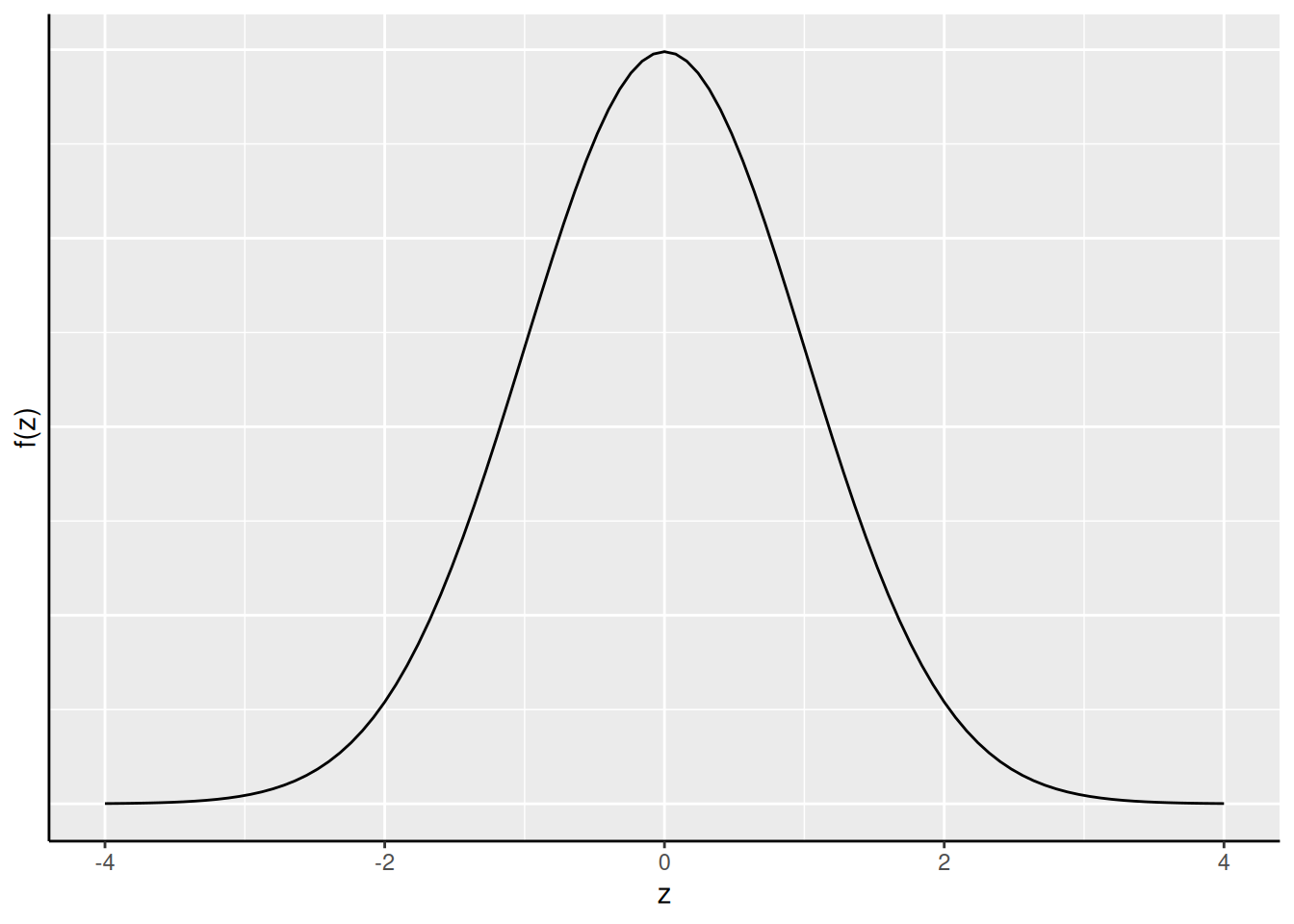
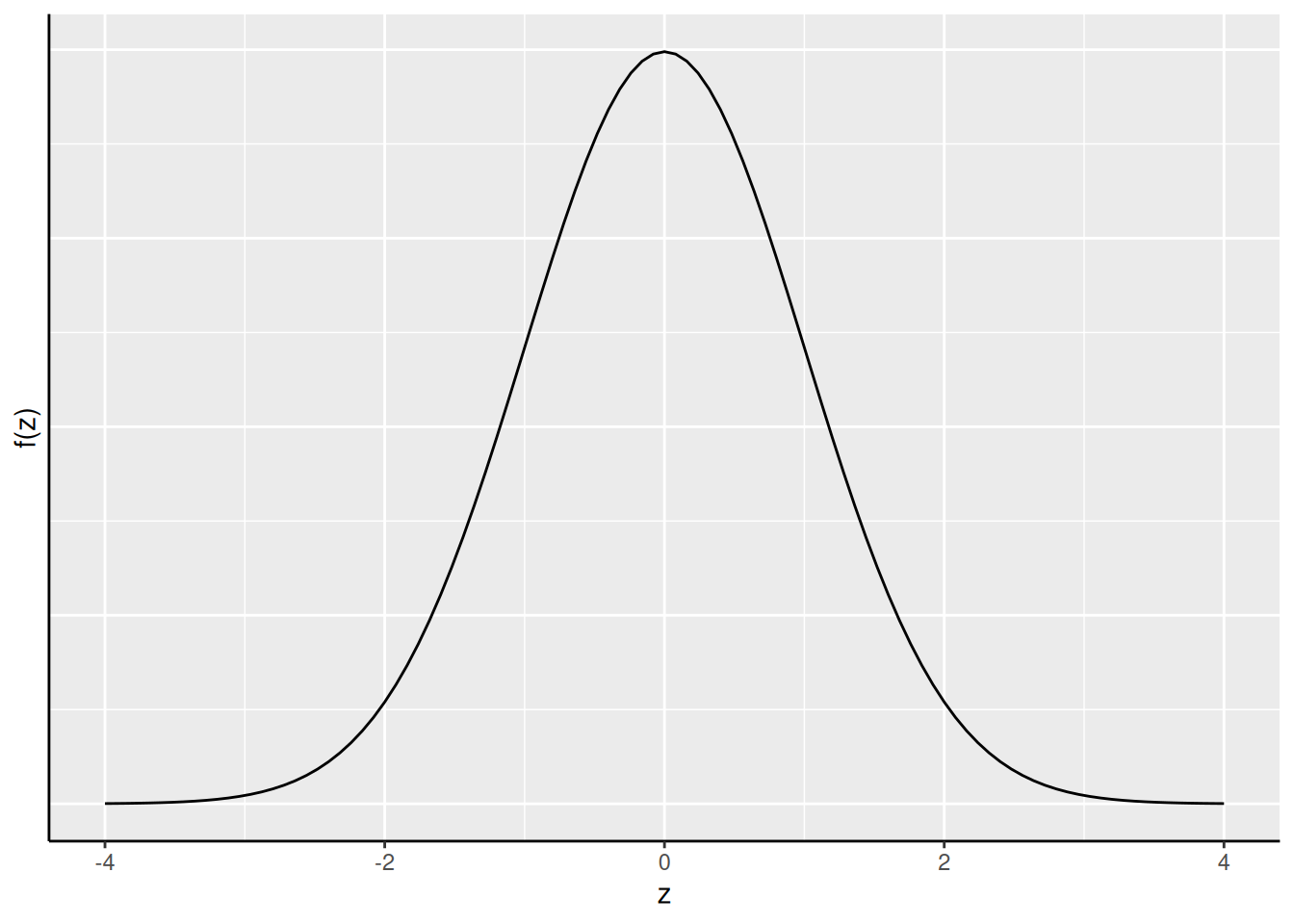
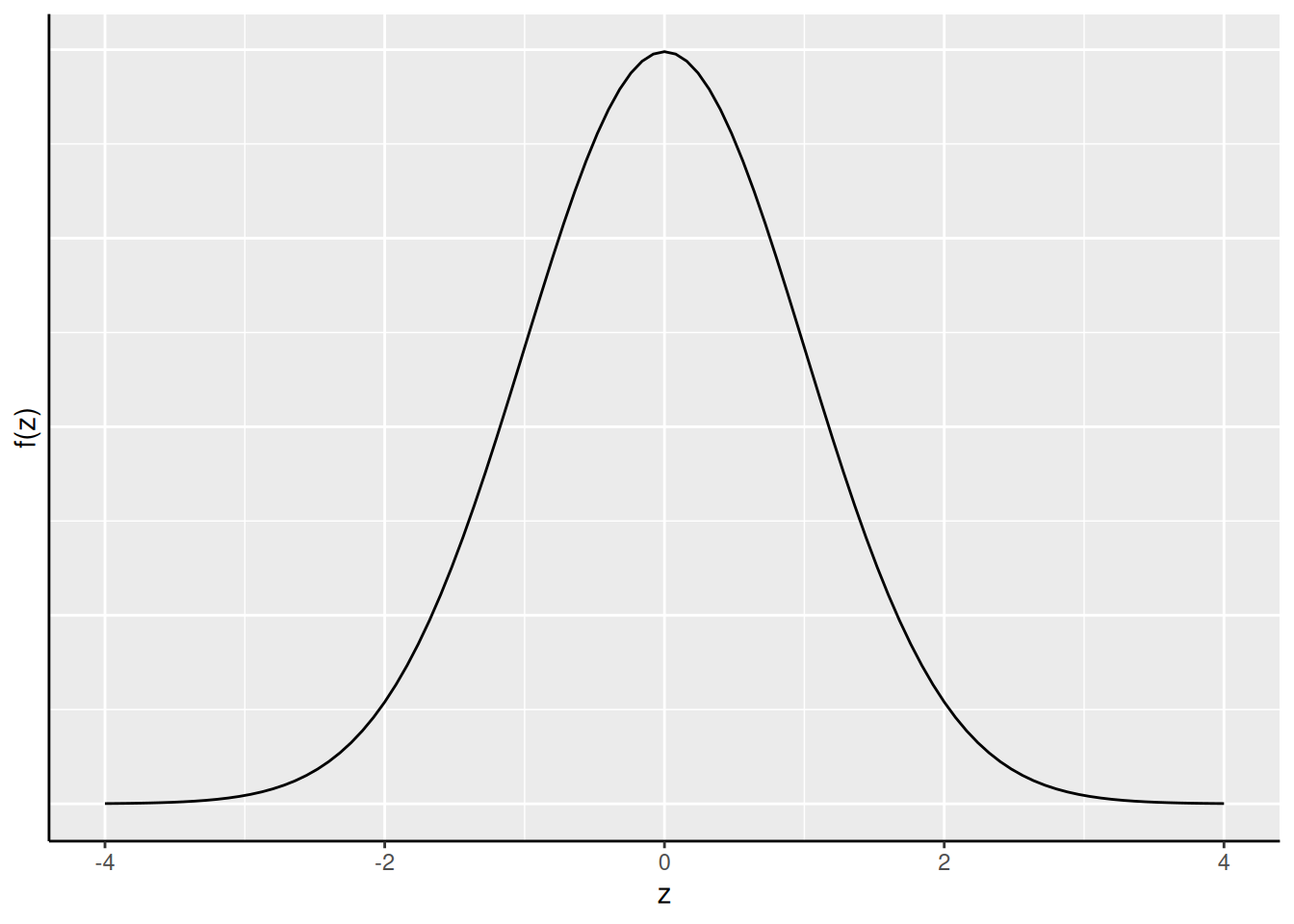
Instructions: Calculate the following probabilities for the standard normal distribution (\(Z \sim N(0,1)\)):
- \(P(Z < 1.28)\) =
- \(P(Z > 1.64)\) =
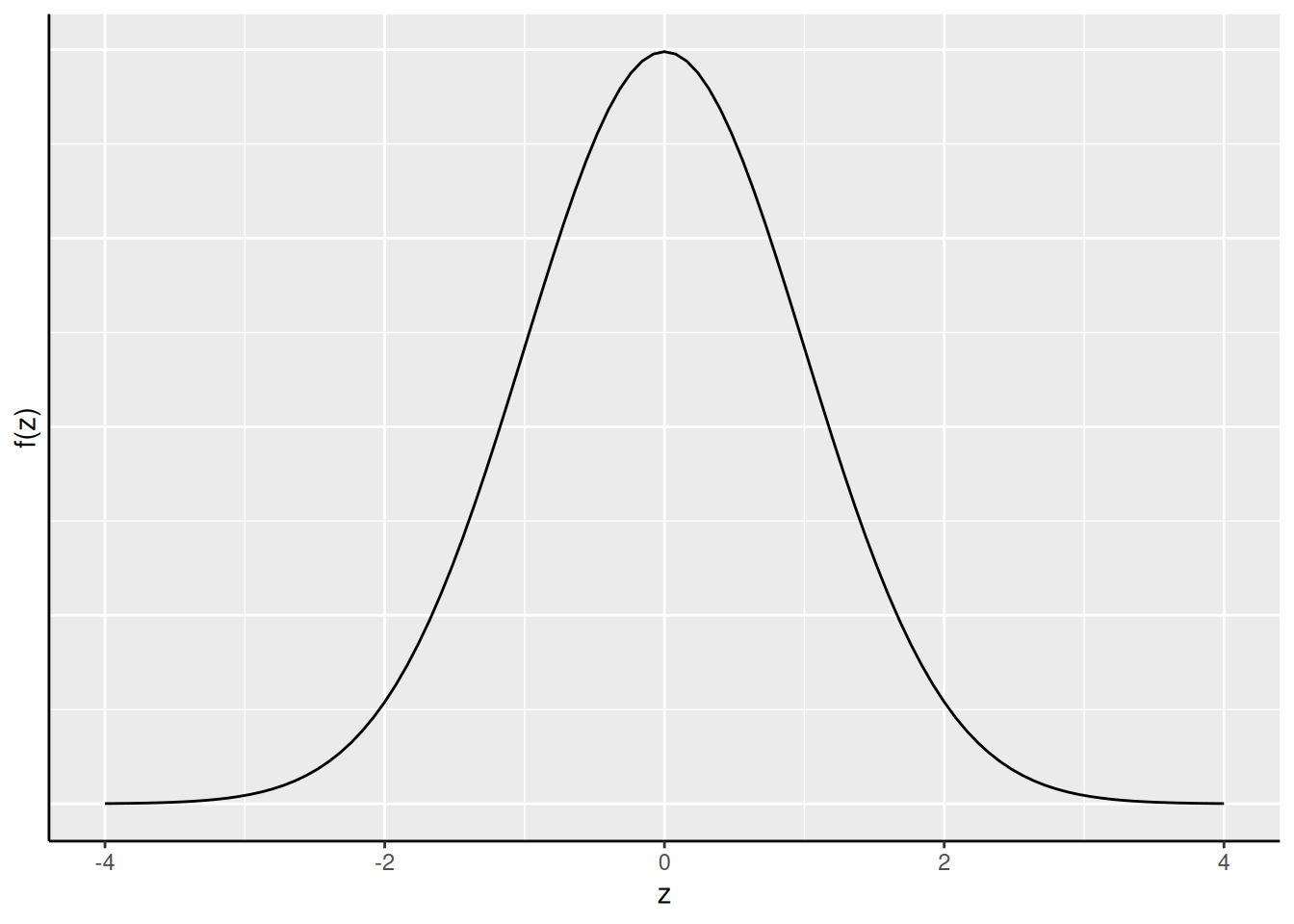
- \(P(Z < -1.64)\) =
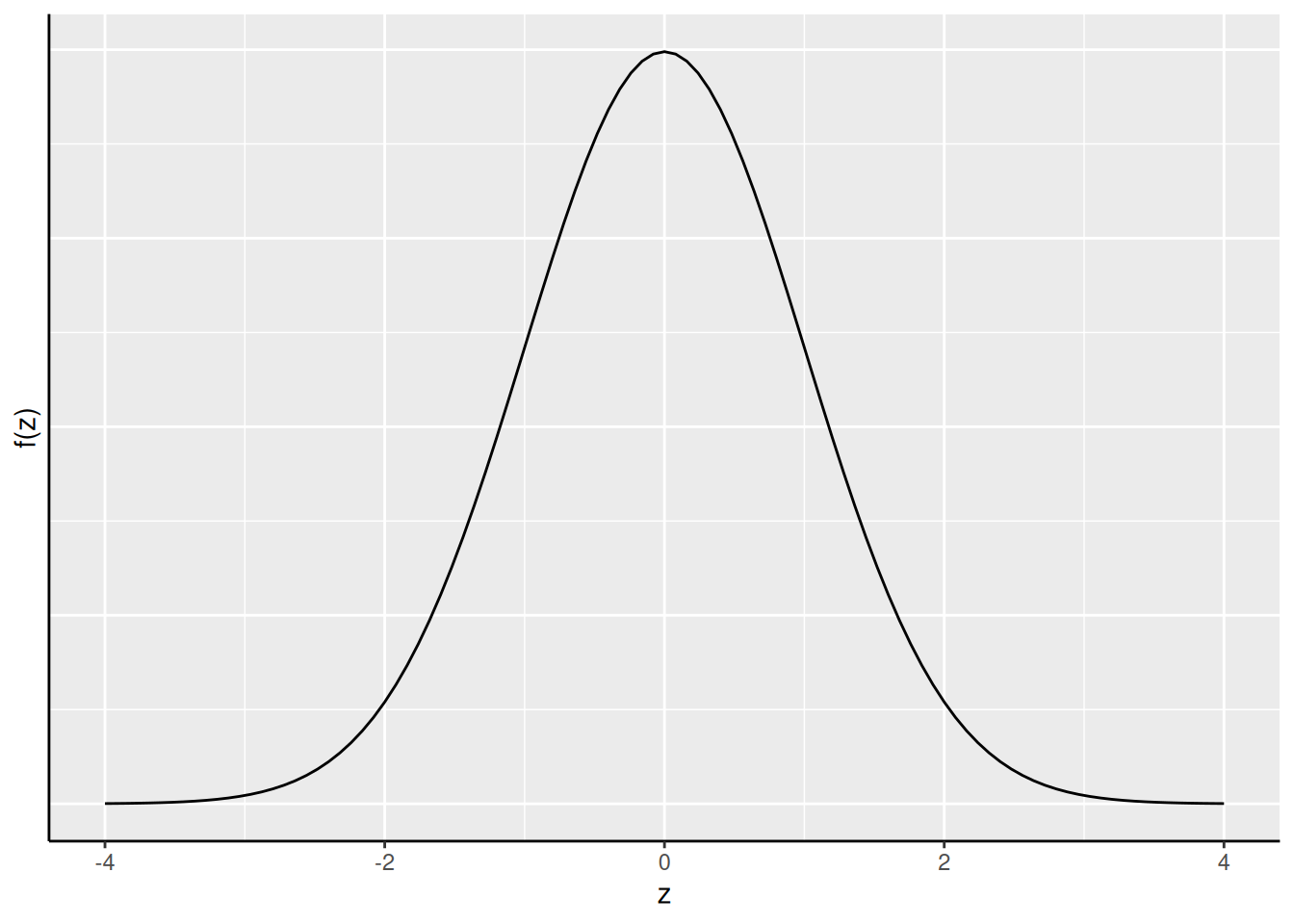
- \(P(Z > -1.28)\) =
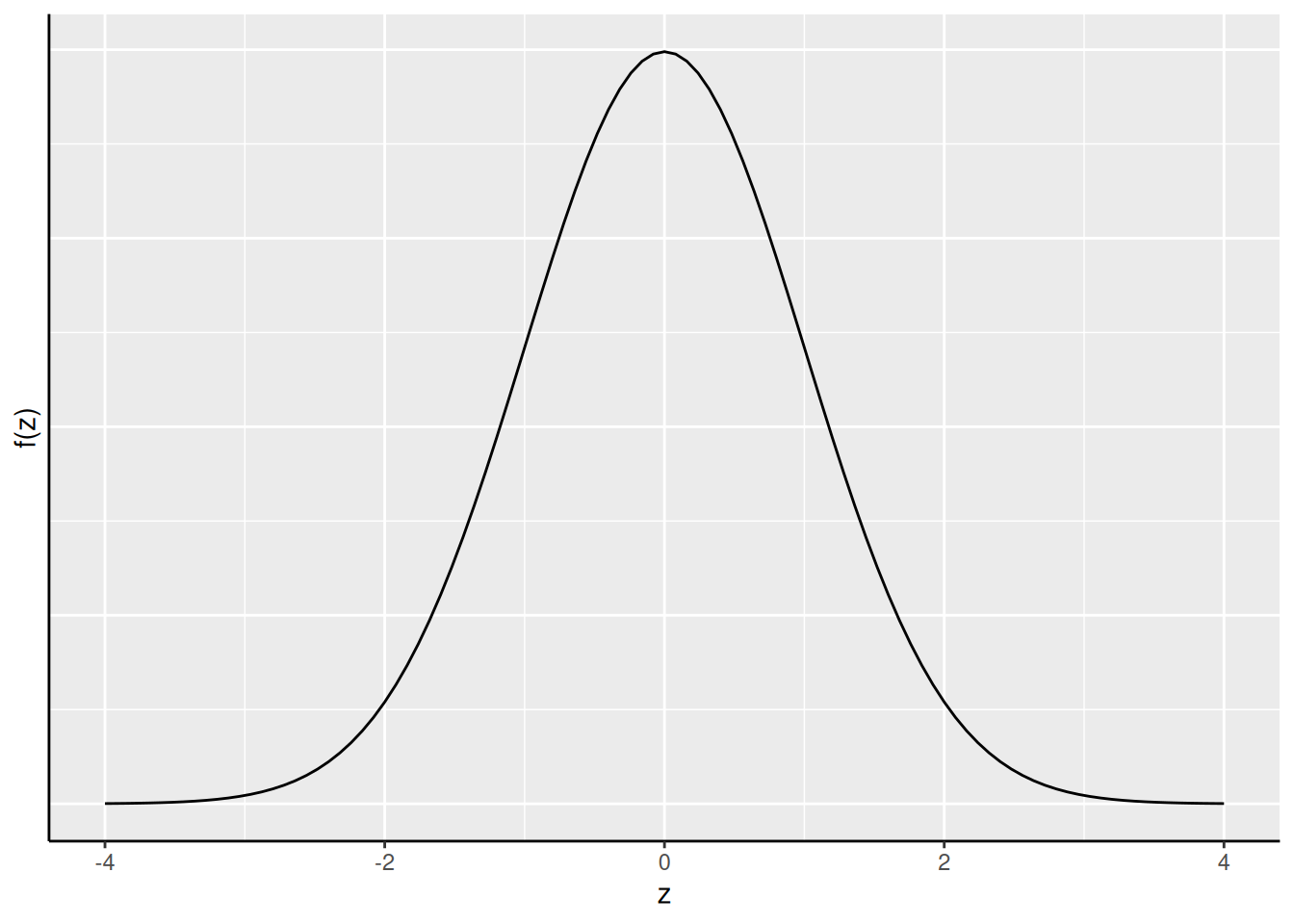
- \(P(-1.64 < Z < 1.28)\) =
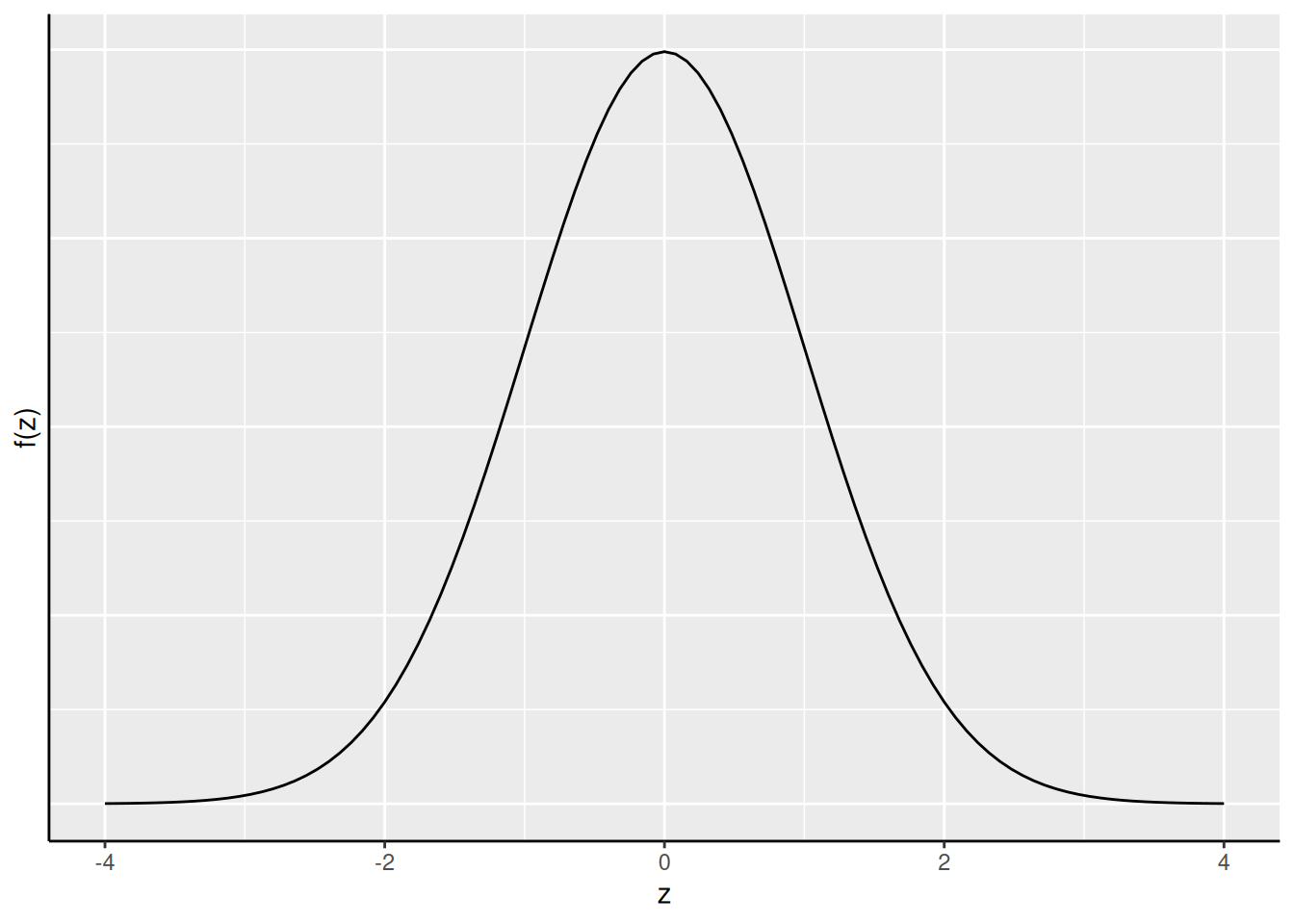
- \(P(|Z| > 1.96)\) =
Part 3: Real-World Applications (3 minutes)
Scenario 1: Cell phone battery life is normally distributed with \(\mu = 10\) hours, \(\sigma = 1.5\) hours.
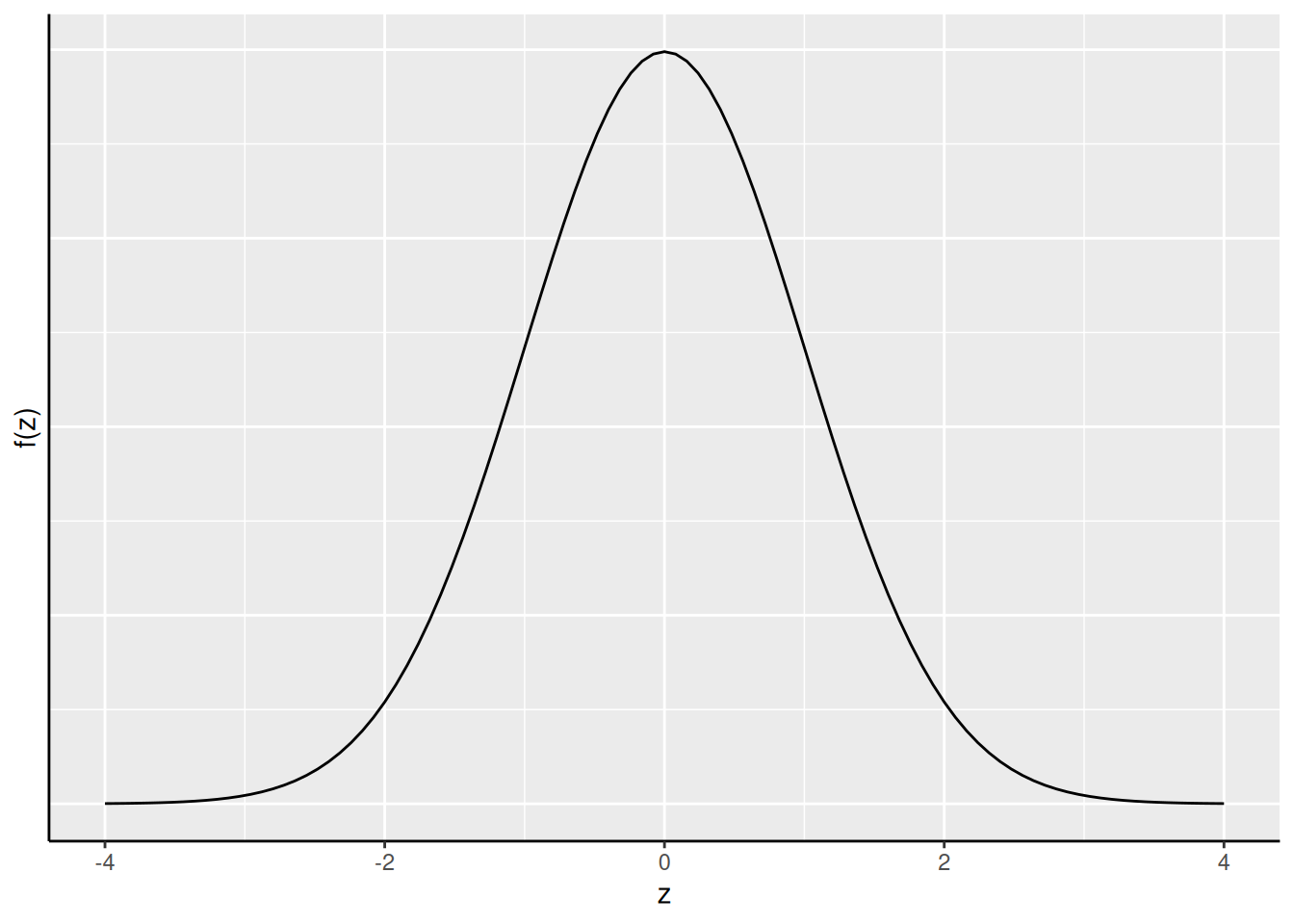
Calculate: \(P(8 < X < 12)\) =
Scenario 2: College entrance exam scores: \(\mu = 550\), \(\sigma = 100\). University considers only top 10%.
Minimum score needed:
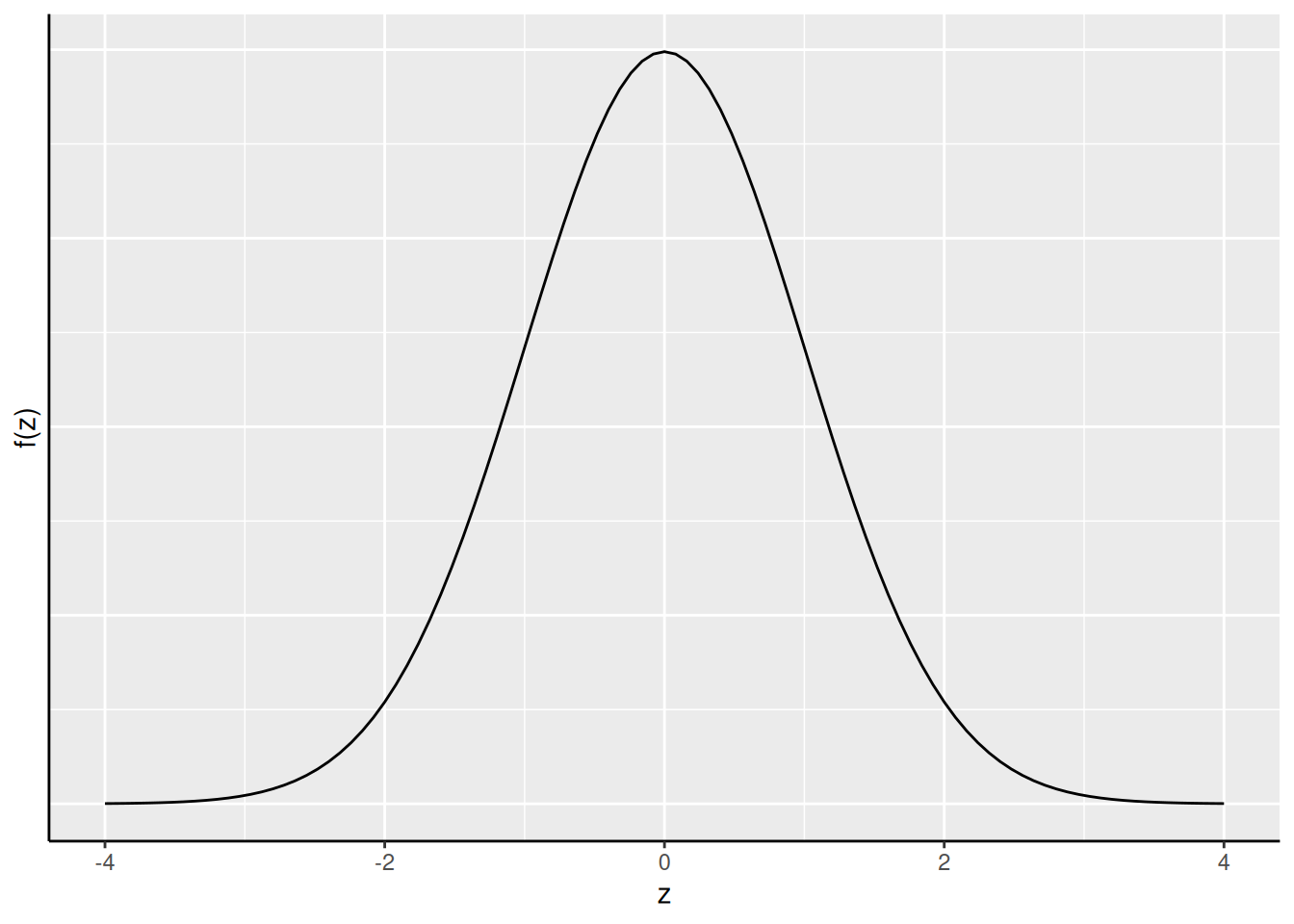
Scenario 3: Find \(z_0\) such that \(P(-z_0 \leq Z \leq z_0) = 0.95\)
\(z_0\) =